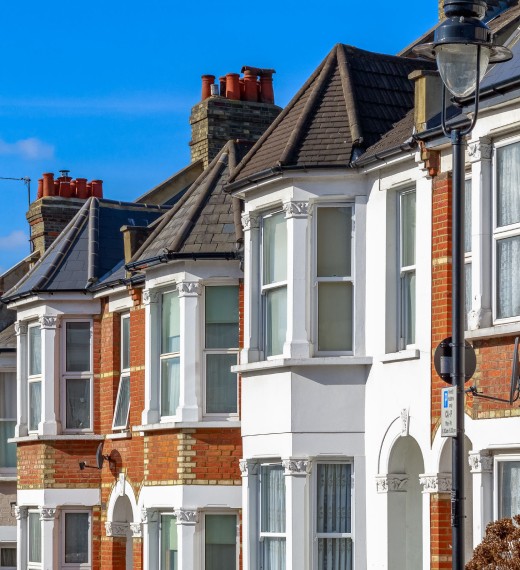
Our Residential Mortgage Services
From first apartments and family homes to buy-to-let portfolios, our specialist mortgage brokers are here to help with all things residential. Whether you’re at the start of your journey and need advice, or want to lock in a deal, My Mortgage Planner are the team to call.









Why Choose My Mortgage Planner?
At My Mortgage Planner, we don’t just find mortgage deals – we help make buying dreams a reality. Discover why we’ve become one of Ipswich’s favourite mortgage brokers:
Industry Expertise
Looking for expert advice? We’re leaders in our field, and have the knowledge, experience, and results to prove it.
Whole-Of-Market
Find the best possible deal for your needs. Unlock a clear, full view of everything the market has to offer with our unbiased guidance.
Simplicity Guarantee
No jargon here! Our simple, stress-free, and straightforward approach to broking delivers a better way to buy.
All Applicants Welcome
No matter how big or small, we’ll stand by your application, delivering success and savings from start to finish.
People-First
People are at the heart of everything we do. If you’re looking for a local broker that genuinely cares about you and your journey, you’re in the right place.
Above and Beyond
Nothing is ever enough here at My Mortgage Planner. From free advice to closing and beyond, we’re devoted to you, going the extra mile to secure the best possible results.

Top Rated Mortgage Broker Offering Residential Mortgages
Since 2012, we’ve helped hundreds of people like you across Ipswich and Suffolk make their home dreams come true.







Your Residential Mortgage Journey
Ready to get started? Your residential mortgage journey begins here. Dive into our mortgage process step-by-step, from start to finish:
01
Get in Touch
Start by sharing your details in our contact form. Or, if you prefer a chat, call us for obligation-free advice tailored to your mortgage needs.
02
Free Consultation
Join us for a no-cost consultation session either in person or over the phone. Every question, big or small, is a step closer to your mortgage and protection goals.
03
Select a Service
Choose the service that fits your life best, and we’ll handle the setup. If you’re unsure, don’t worry – our advice comes at no extra cost.
04
Unlock your Deal
Unlock the market’s best deals with ease. You can trust our brokers to tackle negotiations and paperwork, sealing terms on your behalf.


Get a Free Residential Mortgage Consultation
Let’s talk all things residential mortgages. Whether you don’t know where to begin, or need assistance with a complex application, our team are here to find the best deal for you. Reach out to us using the contact form below for a free quote.
Residential Mortgage Broker FAQs
How to buy a house?
Buying a house is a unique journey – meaning there’s no one-size-fits-all process or timeline. For advice tailored to your exact circumstances, why not speak to a mortgage broker with a dedicated advice service?
That said, the best place to start is usually developing an understanding of your financial situation. You can do this independently by using online calculators, or approach a mortgage broker with documents proving your income and outgoings.
After you’ve discovered your approximate budget, one of the best steps you can take is to get an agreement in principle (also known as a mortgage in principle, AIP, or MIP) from a lender or broker for a solid guide as to how much you might be able to borrow. Following this, you’ll be able to start your property search, attending viewings until you pinpoint your dream home. Once you’ve found it, submit an offer. If it’s accepted, you’ll then instruct a solicitor to handle the legal side of things. Next, proceed with your full mortgage application. Your mortgage broker will be able to assist in finding the best possible deal in line with your finances and chosen property and manage the paperwork on your behalf.
Following a successful property survey and mortgage approval, contracts will be exchanged. Finally, once completion day arrives, the keys become yours.
How much deposit do I need for a residential mortgage?
The deposit you’ll need to secure a residential mortgage varies in line with both the total property value, and the product you’re interested in.
Most first-time buyers, for example, usually aim for a deposit of around 5% to 10% of the property’s purchase price. However, securing more favourable mortgage rates often requires a larger deposit, such as 20% or even 25%. This is often more achievable for experienced homeowners.
If you’re not sure how much money you should put down as a deposit, why not contact our team for advice? We’ll be happy to help you determine the best option for you.
How to apply for a residential mortgage?
Applying for a mortgage is often a long and stressful process – but doesn’t need to be.
You’ll need to complete a series of steps to prove your eligibility and suitability for a mortgage. It’s wise to kick off the process by completing a personal audit of your financial health, taking into account factors including your income, credit score, and debt levels. It’s important to ensure you have access to essential documents such as payslips, bank statements, and identification – all of which you’ll need to prove your ability to afford your loan.
Whilst it’s possible to apply for a mortgage independently, either through comparison sites or directly through banks and building societies, it’s generally recommended to seek the help of a whole-of-market mortgage broker, who will be able to give you an unbiased view of the entire market. They’ll help you evaluate your position, and find the best options available for your needs. Once you’ve chosen a product, they’ll help you submit an application, which the lender will evaluate. They’ll also conduct a property valuation. After successful checks, you’ll receive a mortgage offer, ready to finalise your property purchase.
How long does it take to be approved for a residential mortgage?
The amount of time it takes for a residential mortgage application to be approved can vary depending on a wide range of factors, meaning, unfortunately, there’s no one-size-fits-all answer to this question.
With this said, the average timeline sits between two and six weeks (mostly influenced by how long it takes for your lender to review your financial circumstances, complete a property valuation, and complete any other checks). You might be able to speed up this process by obtaining a ‘Decision in Principle’ or ‘Mortgage in Principle’ (MIP) – a lender’s provisional offer to loan you a certain amount – in advance.
Where can I get mortgage advice?
The world of mortgages can seem complex – especially if you’re buying for the very first time, or undergoing a tricky change like switching deals. Luckily, mortgage brokers like My Mortgage Planner are more than happy to help guide you in the right direction.
We believe that professional mortgage advice is crucial in securing the right deal for you. Whether you’re at the very start of your mortgage journey or approaching the end of your existing deal, unbiased insight from a whole-of-market professional can provide a sweeping view of what the market can offer you.
Our friendly team, backed by years of expertise, is dedicated to providing client-first advice. Why not get in contact today?
What types of residential mortgage products are available?
When working with a whole-of-market mortgage broker like MMP, you’ll have access to a wide variety of product types catering to many situations. For example, those looking to purchase their first home could benefit from shared ownership products, which offer support from governmental bodies and housing associations, whilst homeowners assessing a change in their mortgage deal or borrowing may prefer products specifically designed for remortgaging. Those with an eye on the rental market might veer towards buy to let mortgages.
Mortgage products under each of these categories can vary, with options such as fixed rates for stability and variables that track market fluctuations available. For more information, why not browse our residential services, or get in touch with our team for advice?
How many residential mortgages can I have?
In short, there’s no exact limit to the amount of residential mortgages you can have. In order to obtain multiple, however, you’ll need to pass all necessary lender criteria, pass credit checks, and be able to afford repayments.
Generally, people have one primary residential mortgage for the home they live in. Most additional mortgages are financed using buy-to-let products. That said, it’s possible to have multiple residential mortgages if, for instance, you’re buying a new home before selling your current one or if you have a holiday home.
Can you let on a residential mortgage?
Letting out your home on a standard residential mortgage without your lender’s consent could breach your mortgage agreement. However, if you only need to let your property for a short period of time, your lender may offer a specific ‘consent to let’ agreement. This will allow you to rent out your property for a limited time under your existing residential mortgage.
It’s essential to communicate with your lender before letting out your property to ensure you stay compliant. If you’re planning on letting out your property long-term, you should be able to come to an agreement with your lender – though they may adjust your interest rate or charge a fee.
Can you change a residential mortgage to buy to let?
It’s possible to change a residential mortgage to a buy to let mortgage with your lender’s consent and support. Many homeowners consider this option if they’re moving homes and want to retain their old one as a rental asset.
If you’re considering converting your residential mortgage to a buy to let, you might benefit from the help of an experienced mortgage broker. They’ll be able to assist at every step of the process, from requesting permission from your existing lender, (who may adjust your interest rate or charge a fee), to notifying your insurance and protection providers (who may require you to increase your coverage level).
What is a residential mortgage?
A residential mortgage is a financial agreement made between a borrower (like you) and a lender (for example, a bank or building society). Unlike commercial mortgages, which are for business properties, this mortgage type covers domestic dwellings.
Under a residential mortgage agreement, the borrower will receive a large loan, put towards the total property price post-deposit. They’ll agree to repay the loan amount, along with interest, over a set period, typically 25 to 35 years. The house itself will act as collateral, ensuring that if repayments aren’t met, the lender can reclaim the property.
There are many types of residential mortgage products available, including some catering to first-time buyers, those with bad credit, and self-employed applicants.